Why Your Running Shoes Smell Worse After Rain Runs Even Once They're Fully Dry
Quick Answer: Rain-soaked running shoes smell worse than sweat-soaked ones because prolonged dampness inside the shoe creates ideal conditions for bacteria to multiply in the midsole and insole material, and once that bacterial colony is established, it keeps producing odor even after the shoe dries out.
A lot of runners assume shoe odor is just about how much you sweated, but rain exposure changes the equation in a specific, fixable way.
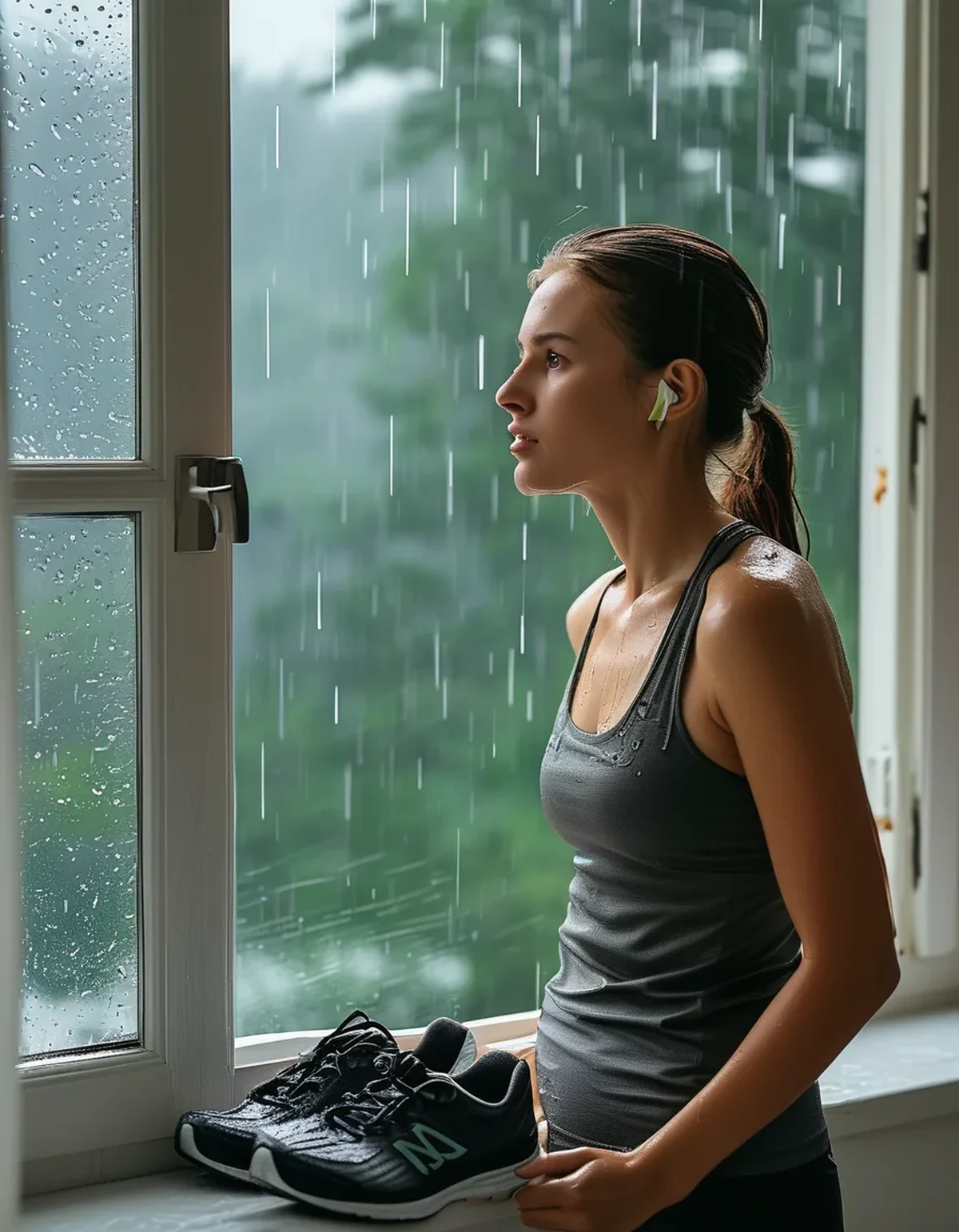
Why does rain exposure create worse odor conditions than sweat alone?
A typical sweaty run keeps shoes damp for the duration of the run, but rain-soaked shoes stay saturated for hours afterward while drying, giving bacteria a much longer window of moisture to multiply in the foam and fabric. Bacteria, not moisture itself, produce the actual smell, so the longer the damp window, the larger the bacterial population that establishes itself.
Does the type of rain (light drizzle vs a downpour) change how bad it gets?
Yes — a downpour that fully saturates the sock liner and midsole creates a much deeper moisture reservoir than a light drizzle that only dampens the exterior mesh, meaning heavier rain exposure both takes longer to fully dry and gives bacteria access to more of the shoe’s interior material. This is part of why some rain runs leave shoes smelling fine and others leave a lingering odor for over a week.
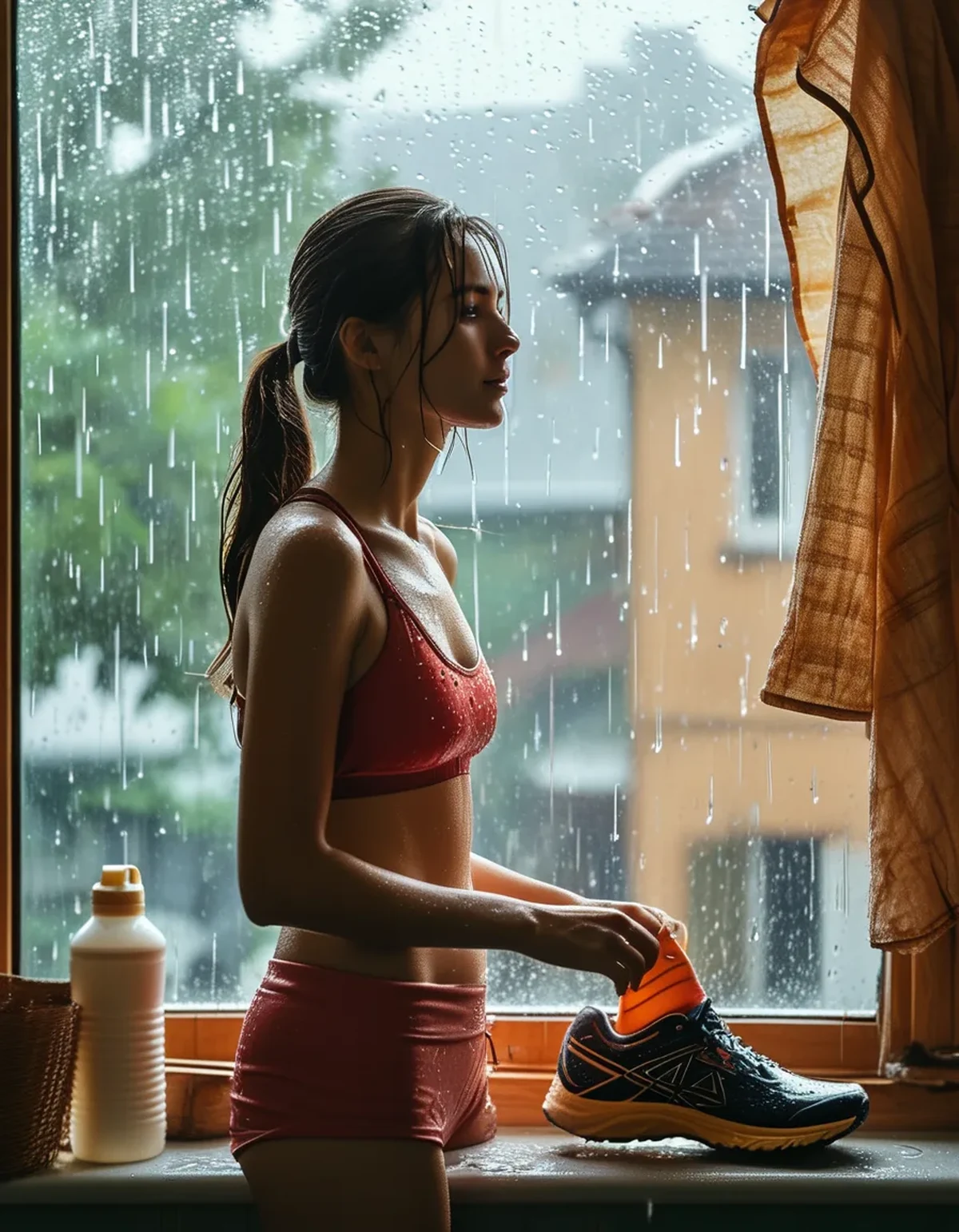
What actually stops the odor once bacteria have established themselves?
Removing the insole and washing it separately, combined with stuffing the shoe with newspaper or a moisture-absorbing insert overnight, addresses both the bacterial load and the residual dampness that lets it persist. A light baking soda application inside the shoe between runs can also help neutralize existing odor while the shoe fully cures over several dry days.
Myth vs Fact: Wet Shoe Odor
Myth: Once a shoe is dry to the touch, the odor problem is over. Fact: Dryness stops new bacterial growth but doesn’t eliminate an already-established colony, which keeps producing smell.
Myth: Odor after rain running just means you need better socks. Fact: Sock choice affects foot-level sweat, but shoe interior saturation from rain is a separate factor sock material doesn’t address.
Myth: Putting shoes near a heater speeds drying without downsides. Fact: Direct heat can degrade midsole foam over time — air drying at room temperature is safer for the shoe’s lifespan.
FAQ: Rain-Soaked Running Shoe Questions, Answered
How long does it actually take for a rain-soaked shoe to fully dry inside?
Depending on saturation level, full interior drying (not just surface dryness) typically takes 24-48 hours with proper airflow and stuffing.
Should I have a dedicated pair of shoes just for rain running?
Many regular rain runners do rotate a second pair specifically so one pair always has a full drying window, which reduces the bacterial buildup that comes from re-wearing a still-damp shoe.
Does washing the insole risk damaging it?
Most removable insoles tolerate a gentle hand wash with mild soap and air drying fine — just avoid a washing machine or direct heat, which can warp the foam shape.
TL;DR:
- Prolonged rain-soaked dampness lets bacteria multiply far more than a typical sweaty run
- Bacteria, not moisture itself, cause the lingering smell — and it persists after the shoe looks dry
- Removing and washing the insole, plus proper stuffing, addresses the actual bacterial source
- Rotating a second pair gives each shoe a full drying window after heavier rain exposure
If your shoes still smell days after a rain run, it’s not your imagination — it’s a bacterial holdover from how long they stayed wet, and it’s fixable with the insole, not just more air-drying time.
Keep Reading
This article is for general informational and styling purposes only. Fit, sizing, and product availability may vary.