The Shoe-Lace Trick That Stops Blisters on Wet Runs
Quick Answer: Use a heel-lock (runner’s loop) lacing pattern to stop your foot sliding forward inside a wet shoe — that forward slide, not the wetness itself, is what causes most rain-run blisters.
You’ve had dry runs go fine and rainy ones end in a hot spot on your heel or the ball of your foot by mile three. The water isn’t rubbing your skin directly — it’s letting your foot move more inside the shoe, and that extra movement is the actual cause.
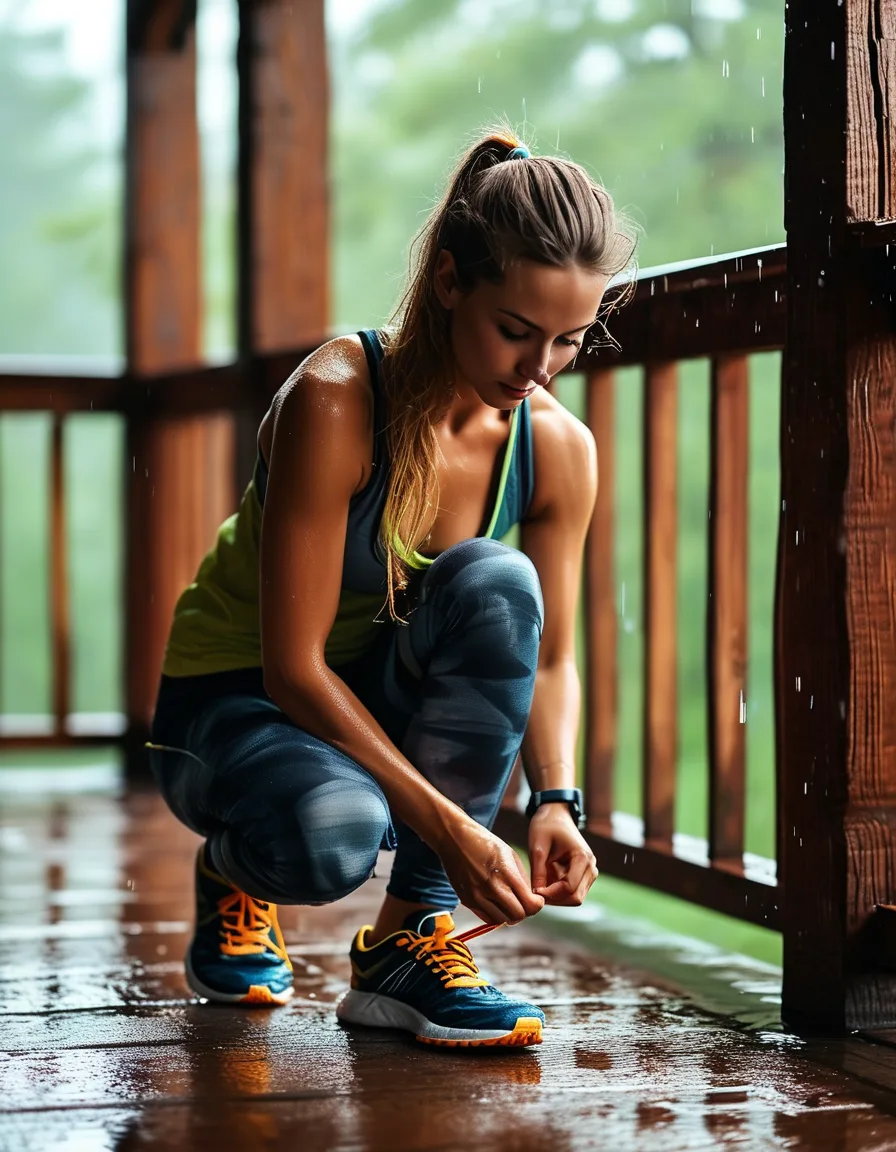
Why do wet runs cause more blisters than dry ones?
Water reduces friction between your sock and the shoe’s inner lining, which lets your foot shift forward and side to side with every stride instead of staying locked in place. That repeated micro-movement against the same spot of skin is what raises a blister, not the moisture itself.
A shoe that fits your foot securely when dry can suddenly feel loose and slippy once both the sock and insole are wet, even though nothing about the shoe changed.
What is the heel-lock lacing trick and how do you tie it?
The runner’s loop (heel-lock) uses the extra eyelet near the top of most running shoes: thread the lace through it to create a small loop on each side, then cross the laces through both loops before tying as normal. This creates a locking point that holds your heel firmly against the back of the shoe.
Once tied, you should be able to fit only a finger’s width of movement at your heel when you try to slide your foot forward — if there’s more give than that, the loops aren’t cinched tightly enough yet.
Do socks matter as much as the lacing?
Yes — a merino wool or synthetic running sock (never cotton) manages moisture and keeps some friction-reducing structure even when wet, while cotton socks bunch and lose shape almost immediately in rain. Many runners layer a thin liner sock under a slightly thicker outer sock specifically for wet-weather runs.
This two-sock approach lets the two layers slide against each other instead of your skin sliding against the sock, moving the friction point somewhere that doesn’t blister.
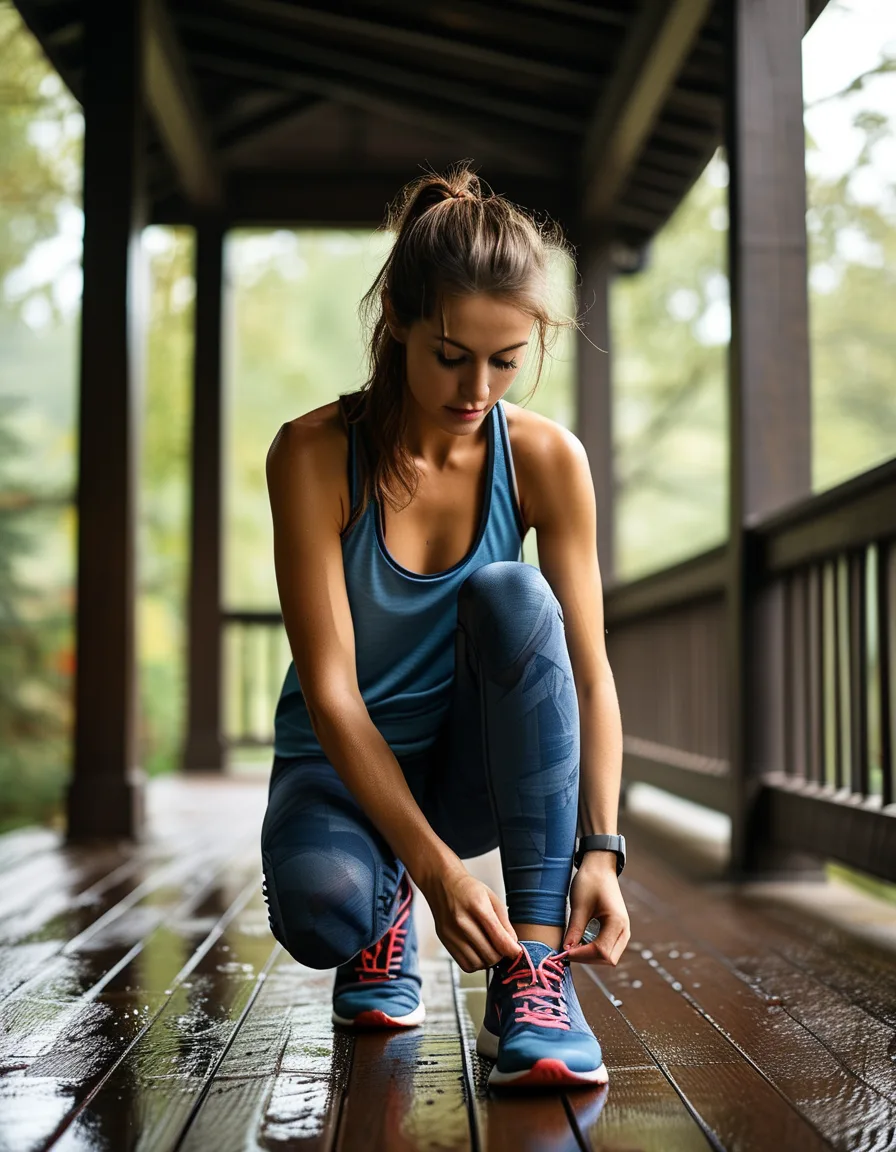
Should you size up or down for rainy-day shoes?
Neither — sizing changes don’t address the actual problem, which is movement, not room. A looser shoe just gives your foot more space to slide within, often making blisters worse rather than better.
If you have a dedicated rain-run pair, prioritize one with a snug, structured heel counter over one with extra room in the toe box.
5 Mistakes Runners Make on Wet-Weather Runs
Wearing brand-new shoes for the first wet run — break-in matters more in wet conditions, since a stiff, unbroken-in shoe creates more friction points. Skipping the heel-lock because it ‘takes too long’ — it adds about 15 seconds to lacing up. Choosing cotton socks because they’re already in the drawer — this is the single biggest blister-causer in rain. Ignoring hot spots at mile one — stopping to adjust immediately is faster than treating a full blister afterward. Not drying shoes properly between wet runs, which leaves the inner lining damp and low-friction for the next run before you’ve even started.
What should you do the moment you feel a hot spot forming?
Stop and re-tighten the heel lock immediately — a hot spot at half a mile in is a warning sign, not something to push through. If you’re carrying blister tape or a small adhesive pad, apply it directly over the spot before it progresses.
Runners who stop for 30 seconds to fix a hot spot early almost always finish blister-free; runners who push through almost always don’t.
FAQ: Wet-Run Blister Prevention, Answered
Does Vaseline or anti-chafe balm help with rain blisters?
Yes, applying a thin layer to known hot spots (heel, ball of foot) before a wet run adds a slip layer that reduces skin-on-sock friction, working well alongside the lacing fix rather than instead of it.
How long does it take to learn the heel-lock lacing?
Most runners get it in one or two tries — it’s the same two extra crossovers each time, and it becomes automatic within a couple of wet runs.
Should you retie the heel-lock differently for trail vs road running in rain?
The technique is identical, though trail runners often cinch it slightly tighter since uneven terrain causes more lateral foot movement than flat road surfaces.
TL;DR:
- Rain causes blisters mainly through increased foot slide, not moisture on skin directly
- The heel-lock (runner’s loop) lacing pattern removes most of that slide in under 15 extra seconds
- Skip cotton socks — merino or synthetic holds structure and manages moisture better wet
- Stop and retighten the moment you feel a hot spot; don’t push through it
The rain isn’t the enemy here — the extra half-inch of foot slide it causes is, and that’s a lacing fix, not a reason to skip the run.
Keep Reading
This article is for general informational and styling purposes only. Fit, sizing, and product availability may vary.