The Rain Isn't What Makes Running in It Risky — the Gear Is
Running in the rain gets a reputation as inherently riskier for slips and falls, but the rain itself is rarely the deciding factor, it’s almost always what’s on the runner’s feet that determines whether that risk is real.

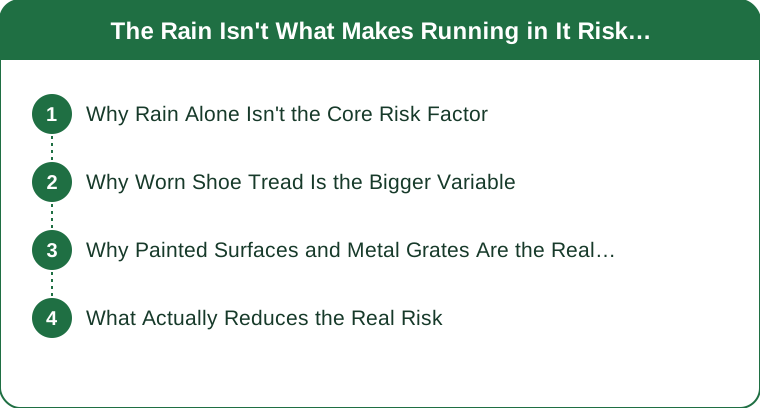
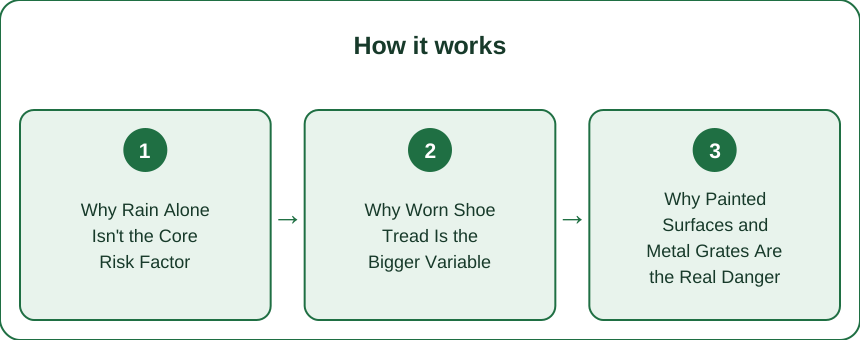
Why Rain Alone Isn’t the Core Risk Factor
The reframe: light to moderate rain on a normal running surface adding only a modest amount of slip risk on its own, meaning rain by itself explains far less of the injury risk than commonly assumed.
Why Worn Shoe Tread Is the Bigger Variable
The real driver: worn-down outsole tread losing most of its ability to channel water and maintain grip specifically in wet conditions, turning a shoe that felt perfectly stable in dry weather into a genuine slip hazard once rain is added.

Why Painted Surfaces and Metal Grates Are the Real Danger Points
The specific hazard: painted road markings, metal grates, and smooth wet stone or tile becoming dramatically more slippery than ordinary wet pavement, meaning the actual risk concentrates at specific surface types rather than rain in general.
What Actually Reduces the Real Risk
The practical fix: checking outsole tread depth specifically before a wet run and consciously avoiding painted lines, grates, and smooth stone rather than assuming rain itself is the hazard to guard against, and the frame (running in the rain isn’t inherently dangerous — worn shoe tread and specific slick surface types like paint and metal grates are the actual risk factors, and both are things a runner can control.)
Running in the rain gets a reputation as inherently riskier for slips and falls, but light to moderate rain on a normal running surface adds only a modest amount of slip risk on its own, which means rain by itself explains far less of the injury risk than commonly assumed. Worn-down outsole tread loses most of its ability to channel water and maintain grip specifically in wet conditions, turning a shoe that felt perfectly stable in dry weather into a genuine slip hazard once rain is added, and painted road markings, metal grates, and smooth wet stone or tile become dramatically more slippery than ordinary wet pavement, meaning the actual risk concentrates at specific surface types rather than rain in general. Checking outsole tread depth specifically before a wet run and consciously avoiding painted lines, grates, and smooth stone addresses the real risk factors directly, rather than treating rain itself as the thing to guard against.
Keep Reading
This article is for general informational and styling purposes only. Fit, sizing, and product availability may vary.